Humans of St. Louis: Dr. Michael E. McLemore II’s Story
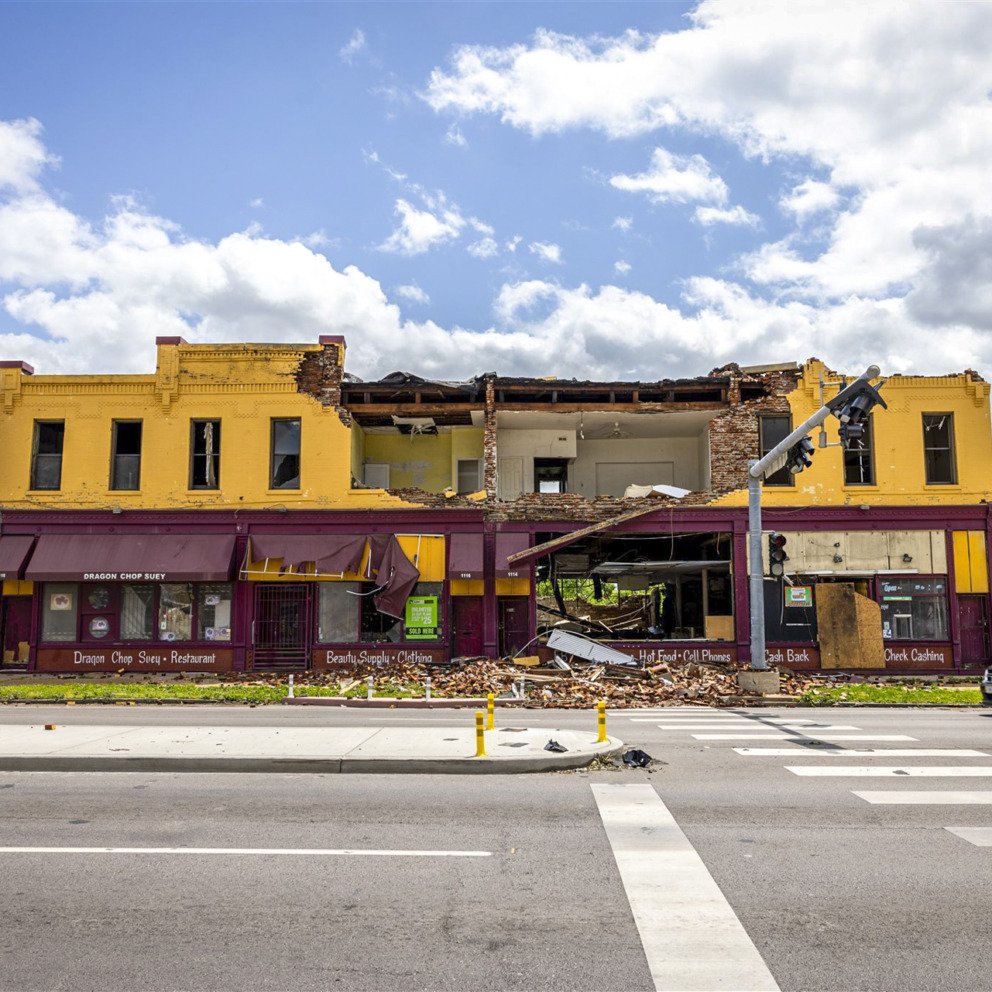
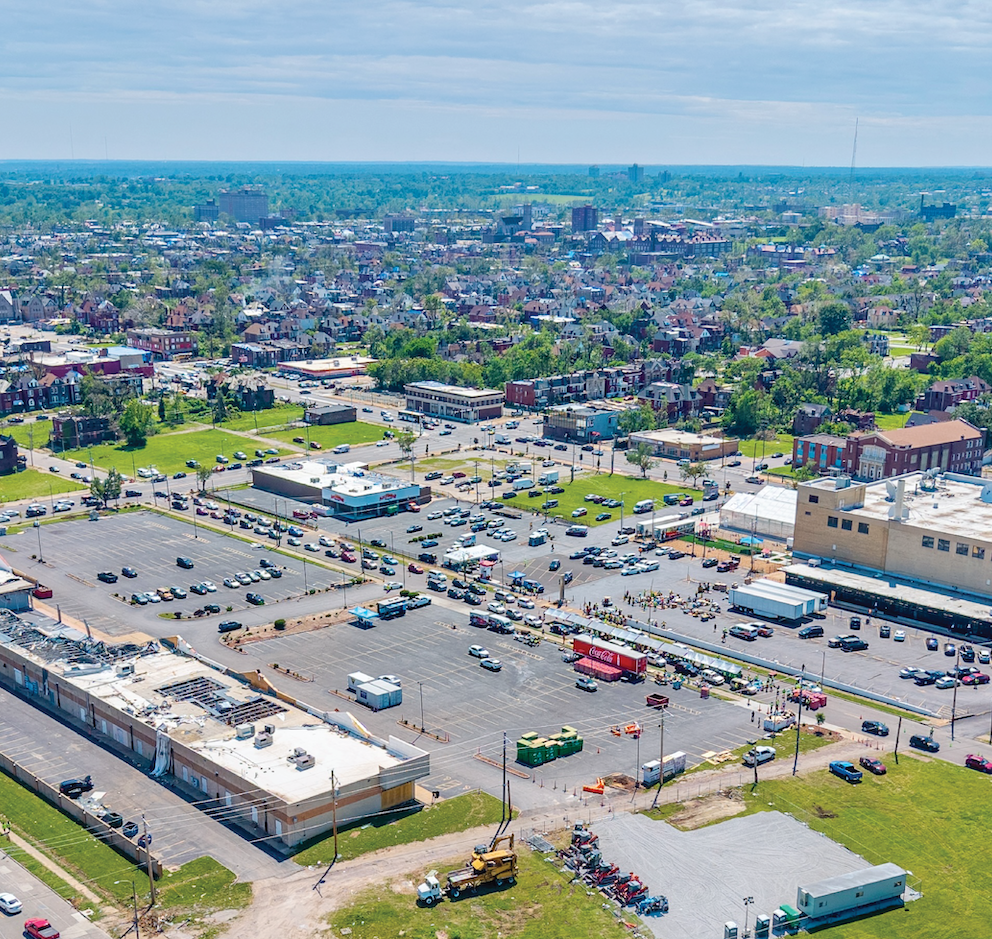
After the May 16, 2025 tornado, Dr. Michael E. McLemore II worked to rebuild his home in The Greater Ville — and then help the community recover through his work with The People’s Response and Action St. Louis.
Editor’s Note: Over the next few days, we’re sharing Dr. Michael E. McLemore II’s story as part of a Humans of St. Louis and STLMade collaboration profiling ongoing tornado recovery efforts across St. Louis. We will update this story with new content as it publishes on our Facebook and Instagram pages this week. And learn how to get involved in tornado relief and recovery efforts across St. Louis.
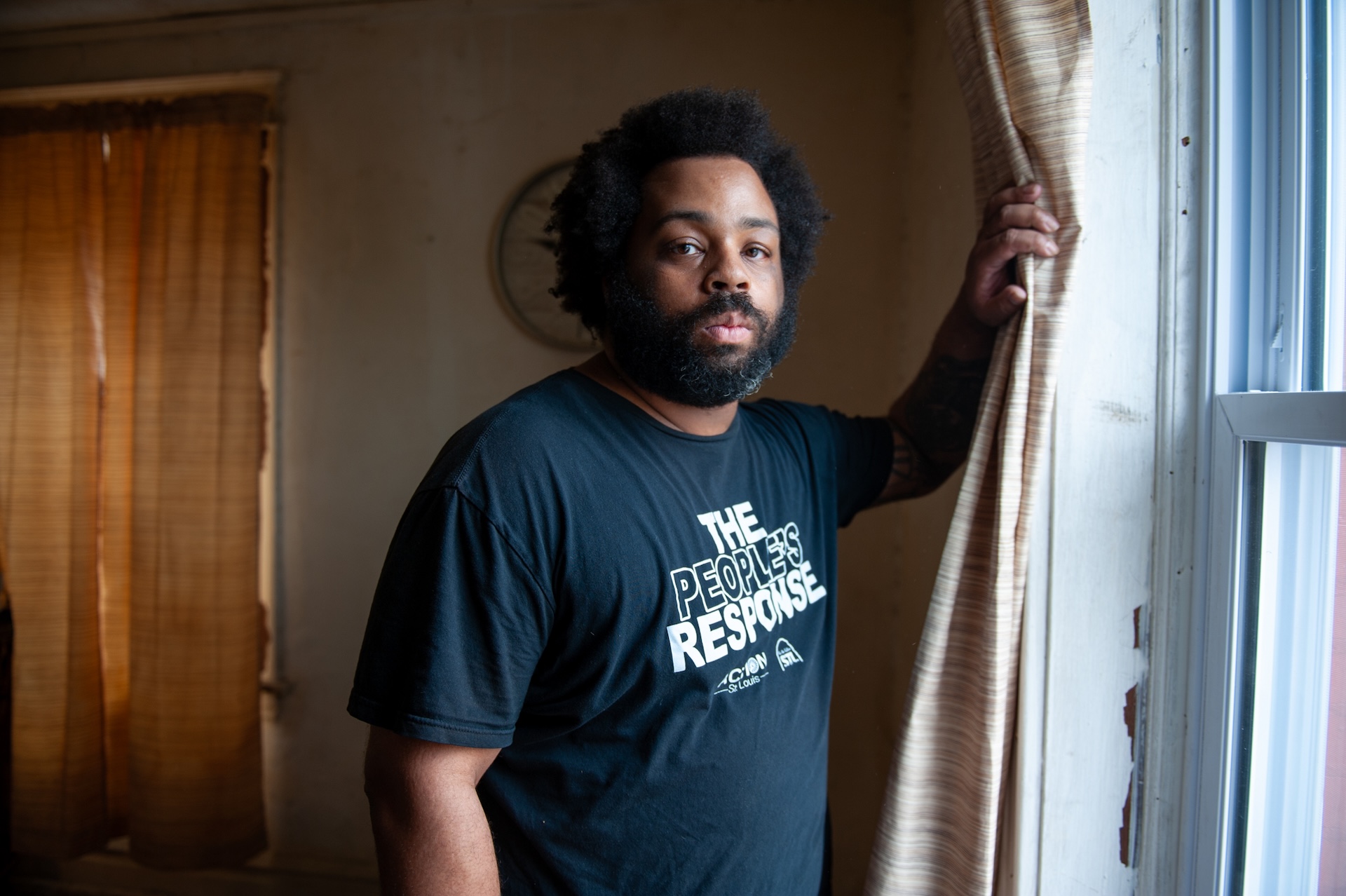
Subject: Dr. Michael E. McLemore II
Community organizing and advocacy connects all of Dr. Michael E. McLemore II’s career experience so far. He earned a doctorate in public administration, and his dissertation was on increasing diversity in American service corps like AmeriCorps and Peace Corps — two organizations he worked with before getting involved in St. Louis city government, and later, local social justice and collective action work.
When the May 16, 2025, tornado hit, McLemore was at home in The Greater Ville neighborhood with his family. Their home was badly damaged in the storm, and the rain that followed days later made a bad situation worse. Yet even while still managing projects at home, McLemore began volunteering with The People’s Response, a community recovery and relief hub organized by the staff of Action St. Louis and leaders of ForTheCultureSTL. McLemore’s work helping tornado victims soon led to a full-time role with The People’s Response; he is now the Electoral Justice Organizer for Action St. Louis, offering political education to the community so people can make informed decisions on election day. This is his story.
Tell us about your family home in The Greater Ville neighborhood and the damage it sustained in the tornado.
“This house is my family’s home on the north side. Most of my life, off and on, I’ve been here. Whenever anyone’s in an in-between situation, we’ll converge back here. So my aunt and uncle have lived here since the summer of ’73, along with whoever else is here at any given time. They’ve seen a lot here in The Greater Ville in the past 50 or so years. I just happened to be living here when the tornado struck, too.
We ended up in the dark for 11 days. At first, we were thinking we’d lose the house and would have to figure out the next living situation. But ultimately, we chose to stay. So we’ve been here through the entire rebuild and everything. Early on, there was a lot of community support from people I’d known from my time working for the city. They came through and did whatever they could. Mayor Jones was here. Most of the staff and colleagues I’d worked with (in Mayor Jones’ administration) stopped by.
Once these one-way streets were cleared, drivers were flying down them while people were still in them, trying to clean up. Well, the chief of police ended up over here, and a car almost hit him. So he laid this massive two-by-four across the road to create a speed bump. He was like, ‘This is what we used to do out east when we had storms.’ But really, all it did was tick off all the neighbors. So eventually, somebody just got out of their car and threw it across the street. Yeah, it was something. But so many people stepped up.”
***
“Every other corner, people were trying to feed people. Restaurants would come through to bring food while folks were cleaning. We had heard about a family the next block up with an 8- or 9-year-old girl who needed a feeding machine. With no electricity, there was no way the family could feed her. So we were calling whoever we could, looking for a generator or anything to help them out. Out of all the people we tried to get to come out and help, the Humane Society ended up being the ones with the vehicle they drive around with to catch animals. So they were able to take the girl’s feeding machine during the day to charge it inside the vehicle, and they’d bring it back at night so she could have dinner and breakfast in the morning. Little situations like that were something to witness.”
“We’re going to stay here. We’re not going anywhere. Some of my best memories in this house are growing up with my siblings and cousins, and all the holidays that we’ve had. It was my grandmother’s home. You know, no matter who’s running the house, it’s still always Big Mama’s house. It’s the family house, and we’re not getting rid of it. There are too many memories to even count. We’ve all grown up here. Anytime anybody moved away, every one of us always found ourselves back here. We toyed with, ‘What if we go somewhere while the rebuild happens?’ But a fear was, ‘What if we don’t come back?’ And my aunt was concerned about leaving the house unattended in case squatters moved in. Our house was something we just didn’t want to let go of. Plus, all the time and money that had already been put into it.
There were offers to sell or buy it as is, literally the next day, too. The vultures that were on these grounds were disgusting. So many predatory realtors and contractors came from out of the region, even from out of state. They promised all these things to the people who resided in these homes, like signing over insurance money or paying them outright to do all this so-called work. And when you have people who lost everything, who were either underinsured or had no insurance at all, they took whatever they could get, they carried laundry baskets of whatever possessions they could take, and we’ve never seen them again. And then all those strangers disappeared. That happened to a lot of households. Unfortunately, this is a business for some. And they go from disaster to disaster doing that.
To this day, we still get calls about selling. I guess they don’t know how far along we are in the rebuild. As far as the neighbors go, we don’t have many anymore. Our house is in the middle of the block. Whereas the street was lined with households, there are maybe six or so occupied now, and the majority are at the end of the street. Those were the least damaged. But everything else is completely devastated. Some started to rebuild, but I think those are more folks who bought property at land bank sales or purchased homes after the tornado. Because neighbors were selling, getting whatever they could at the time. At the end of the day, there’ll be a lot of demolition in the area, considering how much was damaged. And just looking at how much can actually be repaired, there’s going to be a lot of empty land.”
𝐻𝑜𝑤 𝑤𝑎𝑠 𝑦𝑜𝑢𝑟 𝑓𝑎𝑚𝑖𝑙𝑦 𝑎𝑏𝑙𝑒 𝑡𝑜 𝑚𝑎𝑘𝑒 𝑡ℎ𝑒 𝑟𝑒𝑏𝑢𝑖𝑙𝑑 ℎ𝑎𝑝𝑝𝑒𝑛?
“Insurance played a big part. We were on the phone with Allstate that afternoon, praying they’d help us out. You know, the storm was on a Friday, and they had somebody out to do inspections the following Tuesday. Given how many calls I know they got, their turnaround was fast. Luckily, they at least paid that first portion pretty quickly, so we could start getting supplies and do a good portion of the work on the interior ourselves. It was a lot of mucking and gutting the walls and floors. Where the insurance mostly came in handy was for the rebuild of the porch and the roof. I didn’t have any experience in that department, so once we were ready, we had construction workers help with those parts. I’m used to doing the ground stuff: going door to door, removing debris, and talking to people. I have no idea how the technical work happens. And I don’t like heights, so I’m not gonna be the one to put the tarp on the roof. We had to call in reinforcements for that.”
***
“Now, my biggest excitement is to be back in my bedroom soon. We’ve made progress we can actually see. Now it’s like, ‘We’re spending this summer under construction, knowing the lower area, like the kitchen and my room, still need some work. Last Thanksgiving and Christmas were so different than what we’re used to. Last summer was really rough doing anything family-wise at the house. This summer, we’re celebrating the Fourth of July here together. And we’re trying to get all this work done on the downstairs this summer to hopefully have some semblance of normalcy for the holiday season this year.”
Tell us about your work with Action St. Louis and The People’s Response in the immediate aftermath of the tornado.
“In the direct aftermath, we lined up resources, interacted with folks who were impacted, and conducted surveys of what people were experiencing and what they needed. It was a really big effort. We’d share techniques and stories with people in similar situations, like, ‘My tarp isn’t holding up. Is there anything I can do to mitigate the water damage?’ Over at my place, when it came to handling rain getting into the house, my family used an inflatable pool and a water pump to catch as much rain as we could. Like, last summer definitely wasn’t a drought with all the rain we got. Later on, we worked on helping people receive donations and heard about tornado-related situations from people who weren’t directly impacted. We learned how they knew what to bring to the hub in the form of donations was through us sharing videos to bring ‘This, this, and that.’ And how people were literally at Walmart and Sam’s Club waiting on those social media updates to grab things and run them up to the hub. People even came from states away to drop off donations. It was a beautiful thing.
I was proud of the ability we had in mobilizing as many people as we did. We’re talking 10,000 volunteers in six weeks. That’s unheard of. What group can move that many people to want to volunteer? The trust we built with the community over the years was also a major factor in people coming to get resources from us. Honestly, so many stayed locked in with the recovery process, versus the inactivity from the governmental side.”
“Joplin’s one of the tornadoes that’s often referenced in the Midwest. Back then, FEMA was on the ground running to help fix things, whereas when FEMA got here a month after the fact, employee roles kept changing day to day. They’d arrive, start going door to door, and try to get people signed up for relief. But eventually, they weren’t able to do that anymore, and they had to get set up at the hubs because folks had transportation and mobility issues to sign up. That led to a lack of FEMA applications. So on top of everything else that groups like ours were doing, we also had to go door to door to communicate the situation with FEMA and do our best to provide transportation solutions to connect those dots for people.
The reliance on the state to step in was vastly different. And with whatever the city government’s doing now, they’re moving at a snail’s pace as far as putting any real allocation towards recovery. The philanthropic side also really wants to help with the recovery process. They want to see the city create a plan that kicks into recovery first before they put anything in. So in a lot of situations, we’re at a standstill where the rebuild isn’t happening at all. And the big focus is on funding, demolition, and debris removal. Which ultimately makes the situation look better, but it doesn’t bring our people home.”
𝐶𝑜𝑚𝑖𝑛𝑔 𝑢𝑝 𝑜𝑛 𝑡ℎ𝑒 𝑜𝑛𝑒-𝑦𝑒𝑎𝑟 𝑑𝑎𝑡𝑒 𝑠𝑖𝑛𝑐𝑒 𝑡ℎ𝑒 𝑀𝑎𝑦 16 𝑡𝑜𝑟𝑛𝑎𝑑𝑜, 𝑤ℎ𝑎𝑡 𝑑𝑜 𝑦𝑜𝑢 𝑤𝑎𝑛𝑡 𝑝𝑒𝑜𝑝𝑙𝑒 𝑡𝑜 𝑘𝑛𝑜𝑤 𝑎𝑏𝑜𝑢𝑡 ℎ𝑜𝑤 𝑓𝑎𝑟 𝑆𝑡. 𝐿𝑜𝑢𝑖𝑠 ℎ𝑎𝑠 𝑚𝑜𝑣𝑒𝑑 𝑡ℎ𝑒 𝑛𝑒𝑒𝑑𝑙𝑒, 𝑤ℎ𝑎𝑡 𝑛𝑒𝑒𝑑𝑠 𝑡𝑜 𝑏𝑒 𝑑𝑜𝑛𝑒, 𝑎𝑛𝑑 ℎ𝑜𝑤 𝑡ℎ𝑒𝑦 𝑐𝑎𝑛 𝑔𝑒𝑡 𝑖𝑛𝑣𝑜𝑙𝑣𝑒𝑑?
“I want people to know how real and how dire the situation still is. We want people to stay as involved and active as they were last May. There’s always an opportunity to volunteer, whether it’s to clean up or provide whatever services we can for people still in need. Even today, there are still people living in tents on their properties. They haven’t had electricity all winter. They may have spent that season in hotels thanks to grassroots organizations or the city, but they’re still unhoused. Often, new programs are announced by the media to alleviate some of the stress in the wake of the tornado. Unfortunately, a lot of those aren’t funded. They’re in name only. And other previous programs are running out of funding now. So we have to find somewhere for people to live. Shelters might be great in emergencies, but they’re no place to raise kids. So the urgency to bring people back home has to be increased.
And we have to put additional pressure on our local legislators to pass bills allocating more funds that go directly and only to home repair and reconstruction. Then people can at least get some normalcy back in their lives. Because these aren’t normal times that we’re dealing with. People may have been able to adapt and be flexible. But we want folks to be in more stable living situations. So reach out to your alderperson in support of allocating more of the Rams’ money towards the rebuild on the north side.
And please join volunteer efforts. A million things are happening, whether you’re cleaning up, doing construction, planting trees to replace the shade canopy since we lost thousands of trees, or helping with some of these tarp programs. Supposedly, there’s a new line of wrapped tarps that are thicker and have a lifespan of one to two years. If we could get people to put as many of those as we can on people’s homes this summer, that would be great. The Recovery Office is set to run out of money soon, so if those allocations aren’t made, we’re in a position where we’ll have to scramble to fill in the gaps again.”
𝑊ℎ𝑒𝑛’𝑠 𝑡ℎ𝑒 𝑙𝑎𝑠𝑡 𝑡𝑖𝑚𝑒 𝑦𝑜𝑢’𝑣𝑒 ℎ𝑎𝑑 𝑎 𝑔𝑜𝑜𝑑 𝑏𝑒𝑙𝑙𝑦 𝑙𝑎𝑢𝑔ℎ?
“They’re rare. You know, we try to smile or laugh to get through the day because psychologically it’s traumatizing to deal with the effects of the tornado every single day, all day. But we find those comedic moments every so often. We do see them in people celebrating and having a good time. Like, 314 Day is huge in St. Louis, so we did the photoshoot at the Arch with For the CultureSTL and then went to dinner that night. It was a good time! They’re few and far between, but we have them, and it grounds us again. Like, ‘We were tipping too far one way, and now we can lock back into the work.’”
Join the Story
- Learn more about Humans of St. Louis on its website.
- Connect with Humans of St. Louis on Facebook and Instagram.
- Get involved in tornado relief and recovery efforts across St. Louis.
- Donate to Action St. Louis to help support its work as well as The People’s Response.
- Follow Action St. Louis and ForTheCultureSTL on Instagram to keep up-to-date on how to help.