A World of Good
Through its skills training and support programs, Forai helps immigrant and refugee women in St. Louis build better lives — for themselves and their families.
Thanksgiving 2008 was a memorable holiday for Jennifer Owens. That year, more than 7,000 miles away from St. Louis, the United Nations began relocating Bhutanese refugees out of camps in Nepal, where they had lived since fleeing their home country in the 1990s. Eventually, more than 10,000 Bhutanese refugees would be resettled in the U.S., Canada, Australia, New Zealand, Denmark, the Netherlands, and Norway.
That warmer-than-usual Thursday in November, Owens hosted two Bhutanese families who had recently been resettled in St. Louis.
“One family in particular was headed by a single mom with two school-age children, and I wondered how she, as someone who lived in a refugee camp for 17 years, had very little formal education, and did not know any English, was going to be able survive here and support her family,” Owens says. “That was something that just wouldn’t leave my mind. I spent a lot of time thinking and praying about, ‘Is there anything possibly that I could do that could help her or help women like her?’”
The more Owens reflected on this question and discussed it with friends and family, an idea emerged.
The following year, she founded Forai, which stands for Friends of Refugees and Immigrants, a Christian-based 501(c)3 nonprofit that focuses on dignity, empowerment, and community for “vulnerable women through home-based income generation.”
Empowering Employment
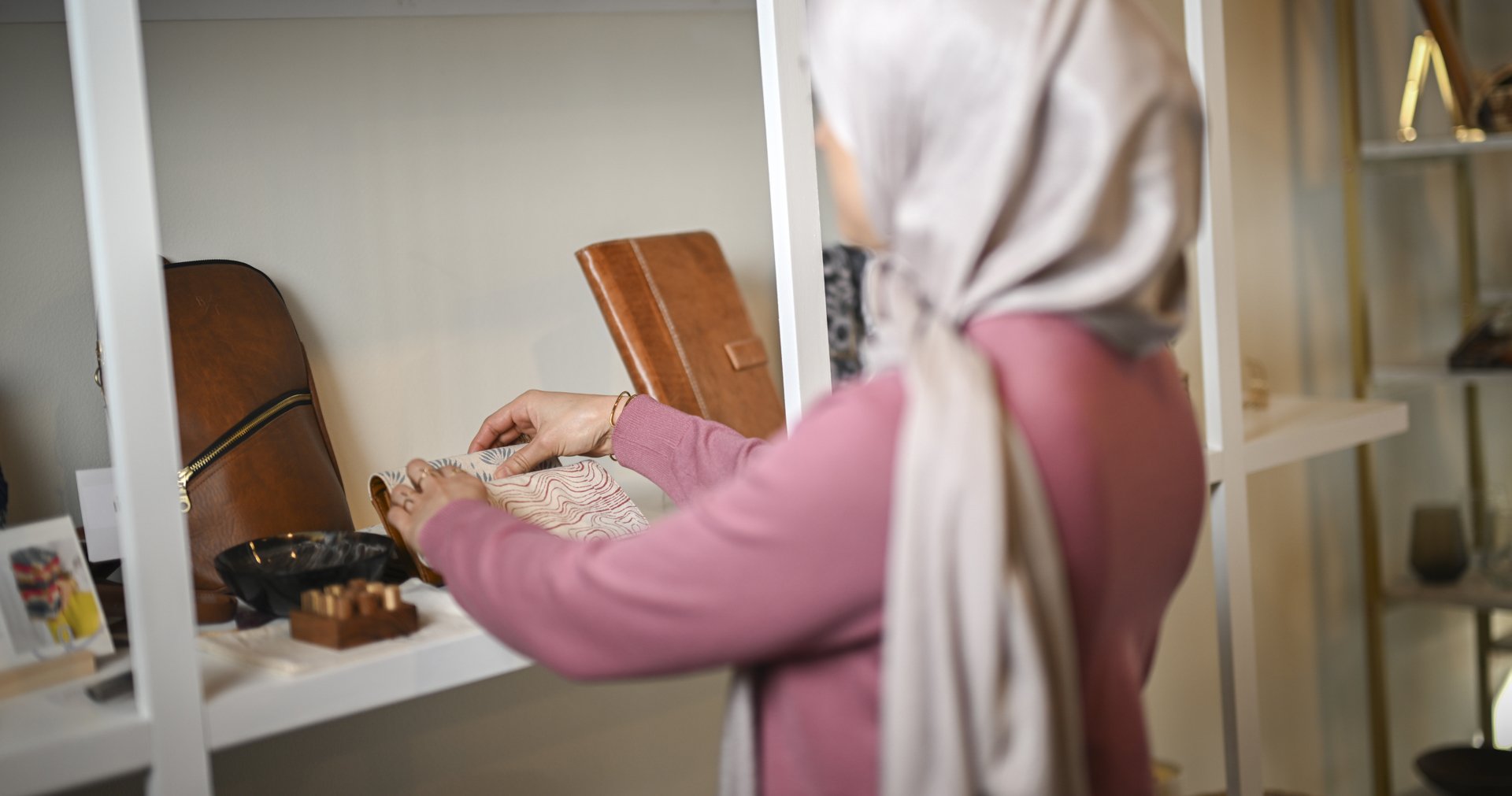
From its offices in the Bevo neighborhood, Forai employees and volunteers train St. Louis women, often immigrants or refugees, in handcrafting skills like sewing and jewelry-making so they can earn additional income for themselves and their families. Forai launched an online store in 2014, and in 2025, and opened a boutique in Kirkwood to sell items created by women from its program and other like-minded organizations around the world.
“Every item that you buy is literally putting money in someone’s pocket — people who often have, besides the expenses of just life here, a lot of pressure from people back home in their home country, often under very dire circumstances,” Owens explains. “A lot of our women will say, ‘Whatever I earn here, I send home.’ Forai gives them a chance to do that for that family and improve a real person in our community’s life.”
Forai’s program works with eight to 12 women as admins or artisan admins and 20 to 30 women participate in its community sewing classes to produce mostly handmade jewelry, but also hand-sewn baby onesies, bibs, hair accessories, and more made from 100% cotton. Most women apply after being referred by friends, family, or local organizations like Oasis International, which helps refugees resettle in St. Louis.
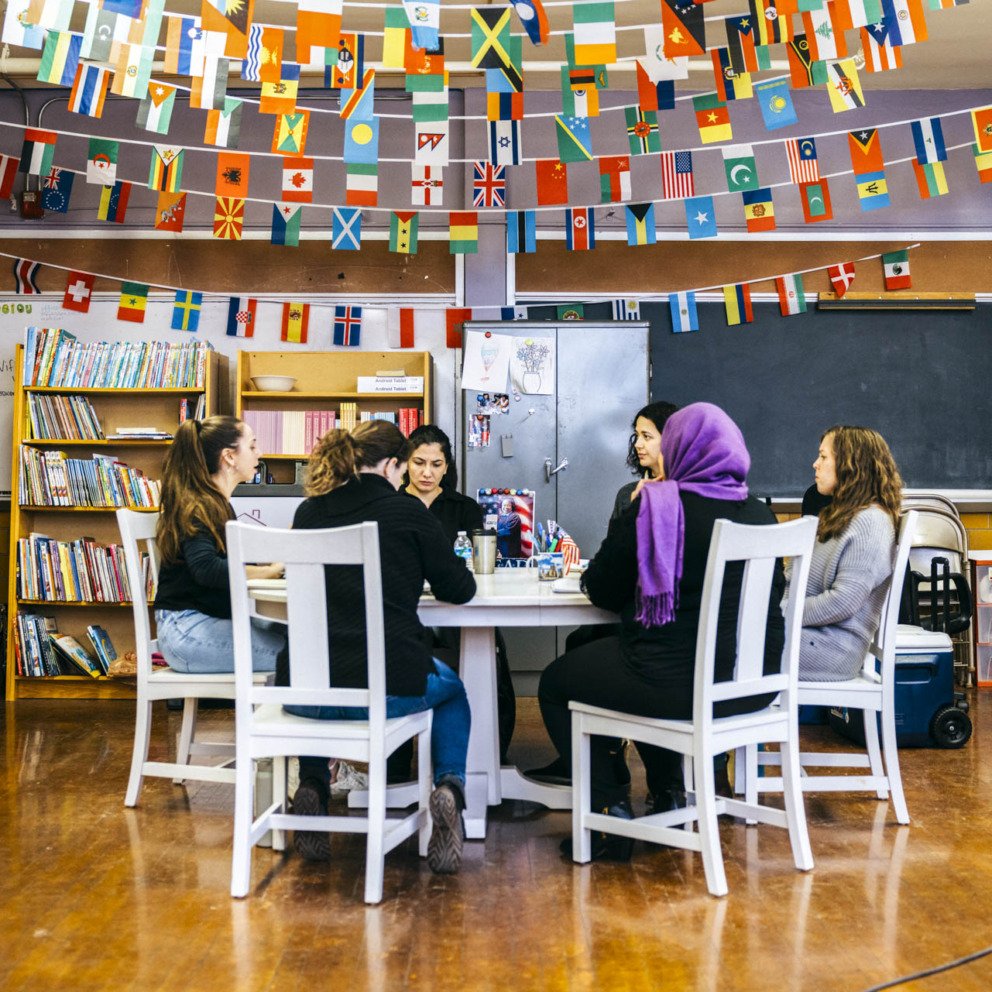
The community sewing class is a six-week course, which allows Owens and her team to learn more about each woman’s personal situation, and determine whether she might benefit from becoming a Forai artisan.
“I like devotions, learning English, and learning typing. It’s a great opportunity for me. I tell my friends, ‘Come to the sewing class!’” says Nem, who came to the U.S. from Myanmar in 2014 and became Forai’s sewing admin in 2024.
Another Forai artisan, Arwa, and her family left Syria in 2016, first settling in Louisiana and then moving to St. Louis in 2018. She was first referred to the organization by an English as a Second Language (ESL) teacher and took some community sewing classes, though she had to quit halfway through due to a lack of transportation. There are usually more artisan applications than spaces available, so it can take some time to get into the program, but a year later, Forai invited Arwa to become a jewelry artisan. She now works as Forai’s jewelry admin and runs the shop once a week.
“I want to be busy. My kids go to school, so I have free time and I want to be connecting with American people, to get more experience, to feel like a part of this country, to be more independent,” Arwa says. Her youngest child is in preschool and her oldest attends Saint Louis University. “The first reason (I applied) was to practice English more. When you know how to speak the language of the country, it makes everything easier.”
At first, Arwa was unsure about the program, as she didn’t know anything about jewelry-making, but she persisted and was open to learning.
“You have to be patient. If something didn’t work well, sometimes you say, ‘Oh no, I’m not good.’ It’s OK to try it many times. We learn,” Arwa says. “You have to be willing to try again and know that you’re not going to get it the first time. I’m not upset with anybody when they fail at something. They just have to try again and try again and try again until they get it.”
For Owens, sharing the work of Forai’s artisans also opens the door to conversation about helping immigrants and refugees resettle in St. Louis. Not every customer has personally interacted with a resettled refugee, for example, and when given the chance to do so, “all of a sudden, they have a closer encounter,” she says. “Maybe they hear a little bit of the story — just some kind of encounter that helps people to see the impact and the value that refugees and immigrants bring to our community.”
Opening Up Shop
Although Forai is a nonprofit organization, it’s distinct from a Fair Trade shop, which requires all products sold to be Fair Trade Certified. Owens explains that while many of their vendors are in fact Fair Trade, not restricting products and suppliers to that certification allows them to work with more organizations, like a nonprofit working with local women who’ve escaped domestic violence, trafficking, or substance abuse.
“Now that Forai is 16 years old, I’ve gotten to see families come from having a family of six in a one bedroom apartment and then watching them save money, be able to buy a home. They move from one job to a better job, and I get to see them doing well economically,” Owens says. “Statistics say that within 20 years, the cost of resettling a refugee has been more than repaid by the value they put back into the community. They’re turning around and having a great positive impact on the community in a lot of different ways.”
Forai received a grant from the Lutheran Foundation of St. Louis, which allowed the organization to open its Kirkwood brick-and-mortar shop in June 2025. The team says the shop has resulted in a boost in sales and awareness for the organization.
“We opened the store so that we could sell a lot more to be able to fulfill our mission to provide this home-based income generation for resettled refugee women who aren’t able to work full-time outside the home,” Owens says. “Selling more means our artisans are making more.”
Moving forward, although Forai’s board doesn’t intend to grow too much in the future, Owens would love to see the store’s sales grow enough to allow for them to double the amount of work they’re sending home with their artisans and bring them up to their personal capacity. This would allow them to earn as much as they need depending on their individual situation.
Owens says they would also like to accept more women into the program. However, it’s imperative that it stays small enough that Forai is able to maintain a sense of community for the women; for example, they connect each woman with an ESL tutor and friend, so that she has personal attention to help her learn English and a go-to person when she has questions about navigating the complexities of life in the U.S.
“Our three values are dignity, empowerment, and community,” Owens says. “We want to know each woman and be a place of community for our women.”
Editor’s Note: To protect the privacy of the Forai team, some sources in this story are referred to only by their first names.
Join the Story
- Learn more about Forai and shop its selection of artisan gifts and goods on its website.
- Connect with Forai on Facebook and Instagram.
- Dig into more #STLMade Community stories.
- Foreign-born residents are strengthening St. Louis. Read more of their #STLMade stories.