Success in the Making
Through its St. Louis Internship Program, the Boys & Girls Clubs of Greater St. Louis, along with partner companies and institutions, are investing in students and the future of the metro’s economy.
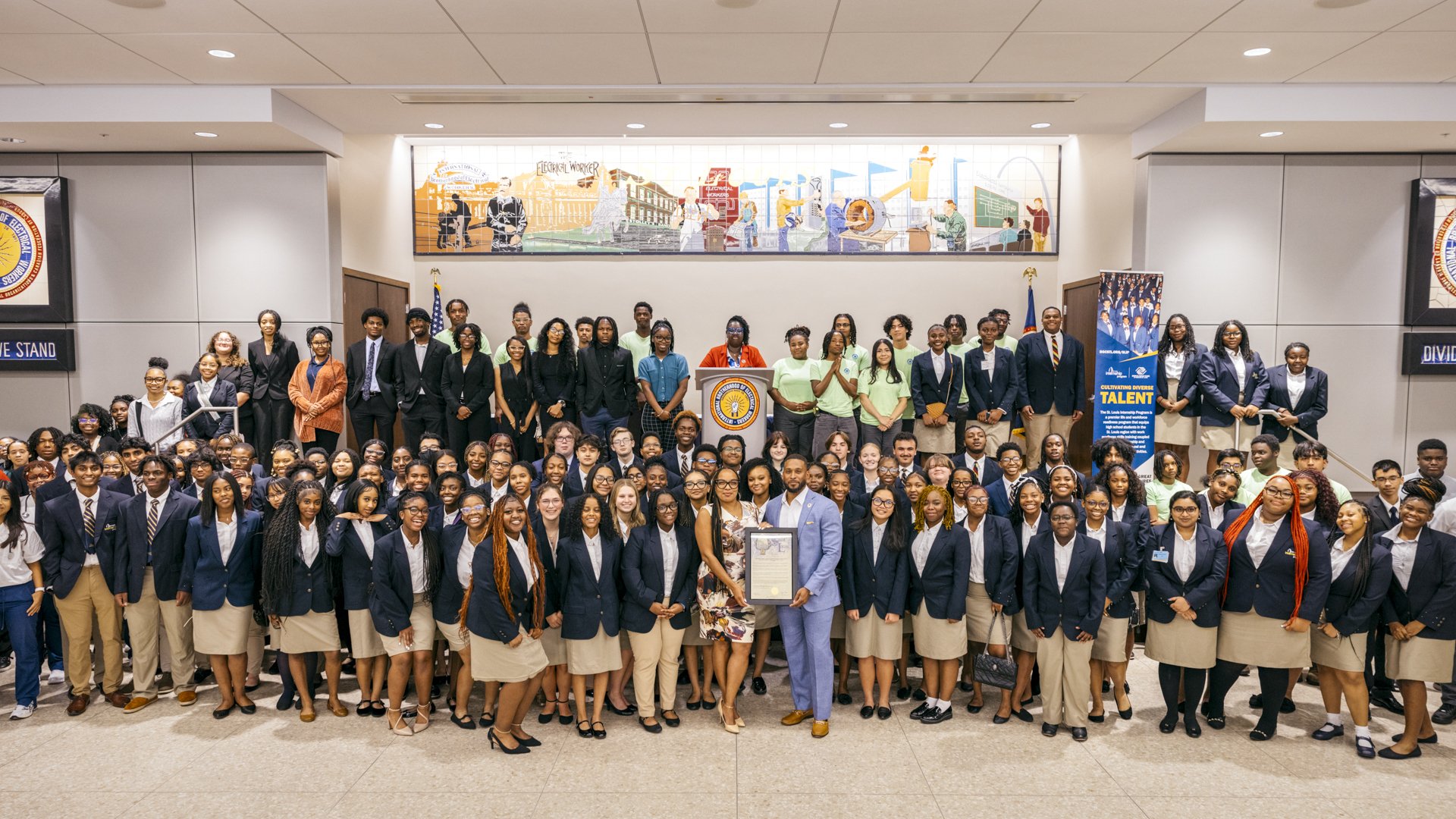
On a warm July evening, more than 100 young people and their families gather to celebrate the teens completing eight-week paid summer internships through the St. Louis Internship Program (SLIP) with the Boys & Girls Clubs of Greater St. Louis.
Most of the teens wear blazers featuring the SLIP logo, but some proudly don scrubs and stethoscopes, having just finished internships with St. Luke’s Hospital. Others wear bright green T-shirts bearing the Missouri Works Initiative logo after working in construction or manufacturing jobs for the past two months.
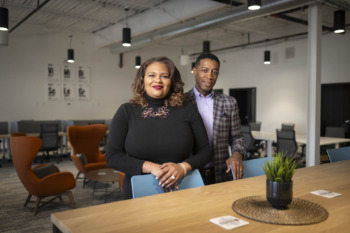
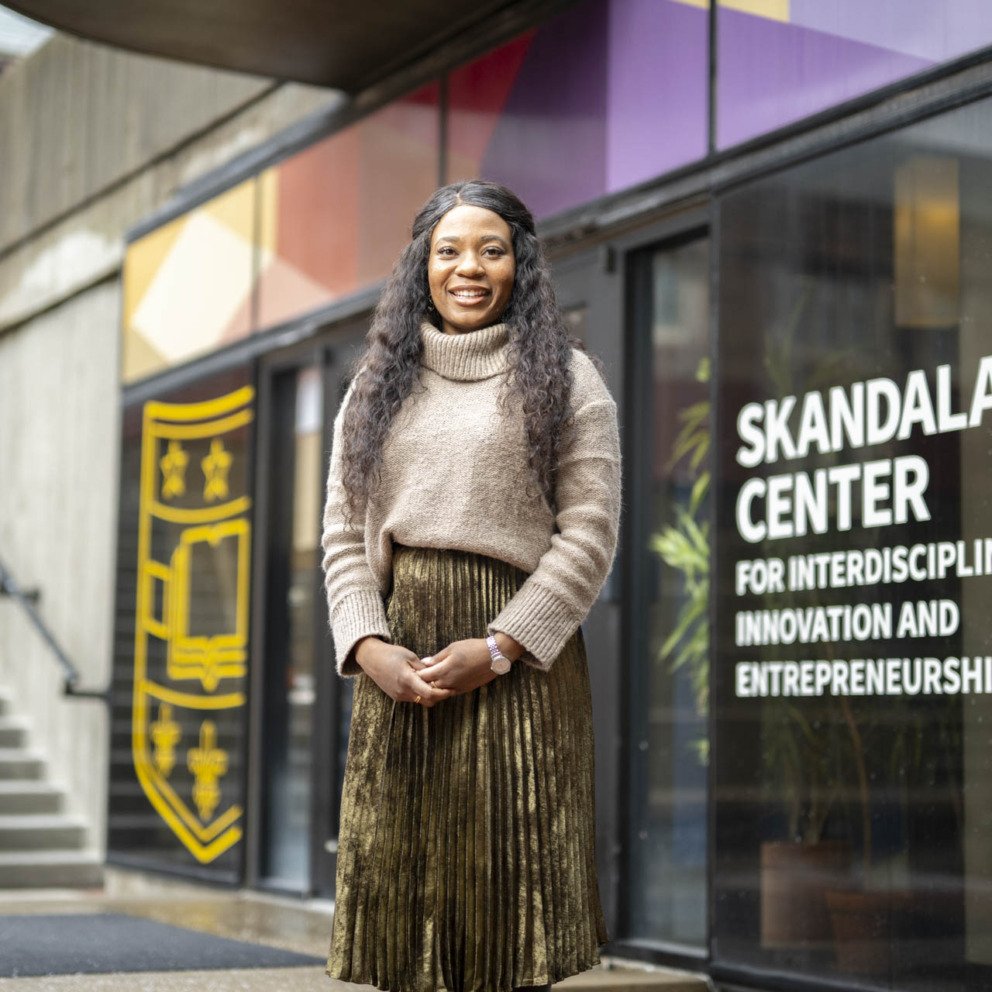
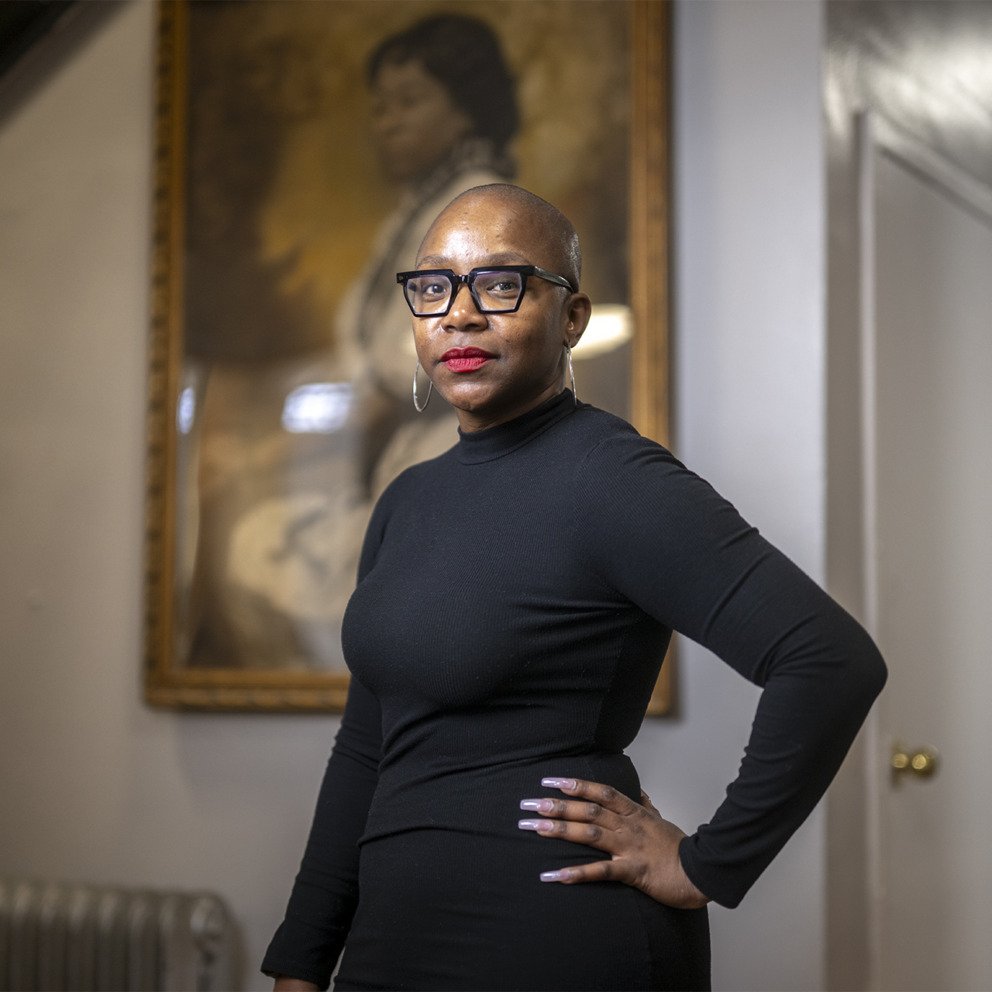
A few weeks later, Shanise Johnson, SLIP’s executive director and a program alumna, reflects on SLIP and its recent cohort. She sees herself in the students she’s helping to guide as they begin their own career explorations, confident that they will one day be filling roles like hers.
“(SLIP) is a game changer for high school students because it puts them in a direct space to increase their social capital and human capital in terms of their skill sets and cross-class interactions,” Johnson says. “Interacting with people from different backgrounds prepares them for the world of work. They leave with the knowledge and confidence to jumpstart their careers.”
A Talent Pipeline
Although SLIP has only been a part of the Boys & Girls Clubs since September 2020, it was originally founded as an independent organization in 1992 with the mission of helping high school sophomores and juniors fast-track their careers through paid internships, job training, college and career planning, financial literacy, and personal development.
Johnson entered the program as a sophomore and eventually joined the organization as a part-time office assistant while in college for management at Saint Louis University — a career path she realized she had a passion for thanks to SLIP.
“I don’t consider this work,” she says. “It’s service, and it’s a labor of love to watch young people grow and develop early in their careers so they can determine what their future will be.”
Steven Taylor, a senior transaction manager with Cushman & Wakefield’s Global Occupier Services division, is the embodiment of SLIP’s mission. A member of the program’s 2005 cohort, Taylor parlayed the skills, experiences, and connections he was able to obtain during his internship into a career that he might not have pursued otherwise.
“It’s been the most invaluable experience of my life,” Taylor says. “Not only did SLIP equip me with the skills and confidence needed to thrive in corporate America, but I was also placed with an organization that’s allowed me to fully utilize these skills and expose me to a career that I never dreamed of as a teen from north St. Louis, which I still enjoy to this day. SLIP helped me to navigate the barriers to entry within the corporate field by teaching simple lessons, such as how to interview, interact, and engage with people and in situations that we otherwise would likely not ever experience.”
As much as he benefitted from the program, Taylor believes that St. Louis also benefits from SLIP interns.
“The St. Louis community is a much better place because of the children who successfully complete the program, as well as the employers and individuals who see the potential in the SLIP students and are willing to invest the time, energy, and resources necessary to positively impact the students,” Taylor says.
Johnson understands that people may think of the Boys & Girls Clubs as a philanthropic organization, but emphasizes this mutually beneficial relationship between it and the region’s corporations and institutions. SLIP alone is a valuable resource for employers: While its participants gain job training and resume building skills, they are also highly motivated, well-trained employees who have a positive impact on where they are placed.
“This is a talent pipeline,” Johnson says. “They have access to engaged students who have shown and proven that they are ready and interested in jumpstarting their careers. We’ve had companies report back to us that our students have helped them catch up on important work or showed them new ways to approach projects. They really add value to companies.”
Johnson points to employers ranging from small businesses and non-profits to Fortune 500 companies that host interns, including longtime collaborators Emerson, St. Luke’s Hospital, Cushman & Wakefield, The Lawrence Group, and Stifel, as well as law firms, nonprofits, and academic institutions.
At St. Luke’s, for example, SLIP interns rotate to various departments, while others are housed in one specific department according to the hospital’s needs and the students’ interests. These include working in doctor’s offices, the emergency department, inpatient and outpatient therapy, the cancer center, and infectious diseases control, and they perform a wide range of job duties. This on-the-job experience helps them develop real-world skills that can be transferred into careers in health care.
Meanwhile, internships at the Center of Creative Arts (COCA), a strong supporter of SLIP, provide meaningful work to young people interested in the arts and education. Here, interns help implement various camps, supervise students, assist with classroom preparation and management, facilitate student pickup and dropoff, and serve as the teachers’ assistants. Their help is invaluable to COCA, just as the experience and transferable skills they acquire during their internship are key resume builders.
In fact, SLIP students go on to participate in a variety of industries that help bolster the St. Louis economy in everything from human services to mechanical engineering. Each of SLIP’s 2025 high school seniors graduated high school and pursued their postsecondary goals with the greater majority choosing to attend college.
“Our 2025 cohort had amazingly positive experiences,” Johnson says. “Both interns who worked at Stifel received excellent reviews, and their supervisor also asked if they would be available to return as interns next year, which is an extraordinary opportunity for interns based on their exceptional performance.”
Modeling Success
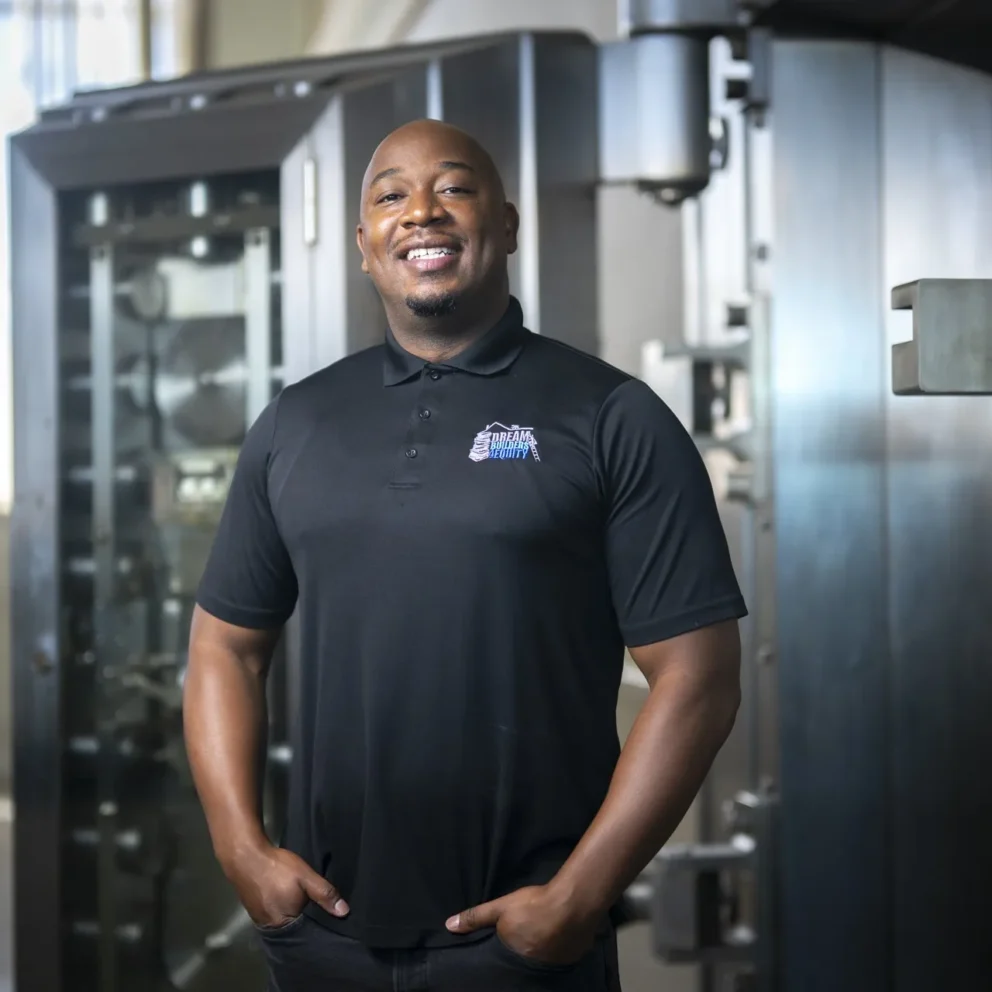
Brandon Williams, the president and CEO of the Boys & Girls Clubs of Greater St. Louis, has been steering the organization since January 2025, helping to build an understanding of just how important its “club kids” are to the region.
“I started out at Matthews-Dickey Club’s summer camp program when I was 6 years old,” Williams says. “I played football there from age 7 to 13 and made a lot of friends. They became family and helped me understand how impactful mentorship and team sports can be on a student’s life because it teaches you discipline and teamwork. But it’s also about relationships.”
Williams, a former NFL wide receiver, sports commentator, and vice president of the St. Louis Battlehawks, notes that his educational and professional successes can all be traced back to his time with the Boys & Girls Clubs. Growing up in north St. Louis and north St. Louis County, Williams says the organization empowered him to be his best, both athletically and academically, and introduced him to people across the metro.
“This organization impacts kids in every aspect of their lives,” Williams says. “It has the resources and the tools for every child who wants to have a greater future.”
Since taking the reins at the organization, Williams has been impressed by the support the Boys & Girls Clubs receives from the St. Louis community.
“I appreciate the support St. Louis has given me and how it has leaned into our organization,” Williams says. “From businesses and civic leaders to the nonprofit, sports, and entertainment communities, people are really starting to lean in and ask how they can help support our mission. They see what the team and myself are trying to do — not just in data but in actual kids who are going on to get scholarships and have great futures. St. Louis needs these club kids, and the club kids need St. Louis.”
Johnson echoes Williams’ sentiment, noting that companies and institutions who invest in the Boys & Girls Clubs scholars are investing in St. Louis. By giving them opportunities to have full professional lives in the area, the organization and its partners are ensuring that talent stays in St. Louis, which is crucial to a thriving economy.
“Companies are acting as positive corporate citizens by participating in this program,” Johnson says. “They are cultivating our area’s future and community leaders. We understand the workforce challenges of our region, which is why we are trying to respond by providing this internship and other career opportunities for young people.”
Williams understands this firsthand. After leaving St. Louis for college in Wisconsin, he worked in other cities before returning to the area for his graduate studies, and stayed because he saw opportunity here. His hope is that Boys & Girls Clubs kids will also see this opportunity, and in turn help the region grow into all it can be, just as the organization helped him do.
“There are so many club kids like myself who are in impactful roles in this city,” Williams says. “There is probably a club kid that runs an organization you work with or is a CEO where you do business. That is how impactful this organization has been for the last 60 years. It is important for us to tell that story because it helps us change the narrative and provide more opportunities.”